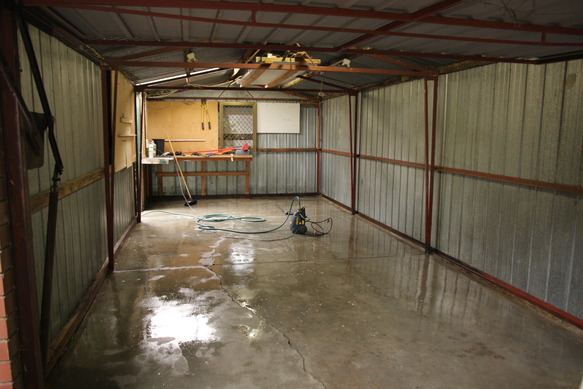
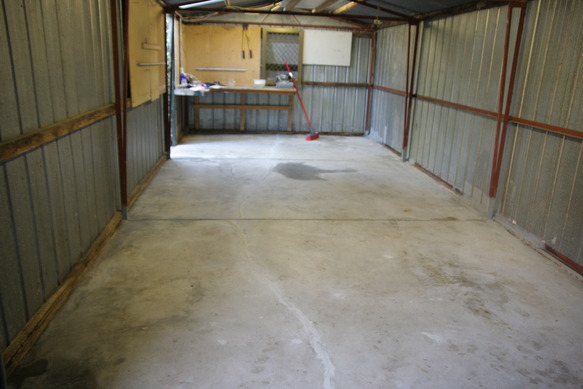
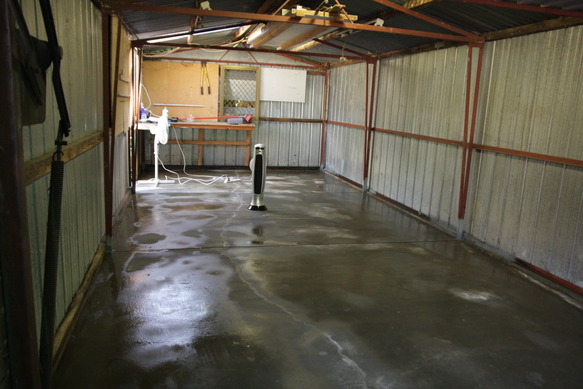
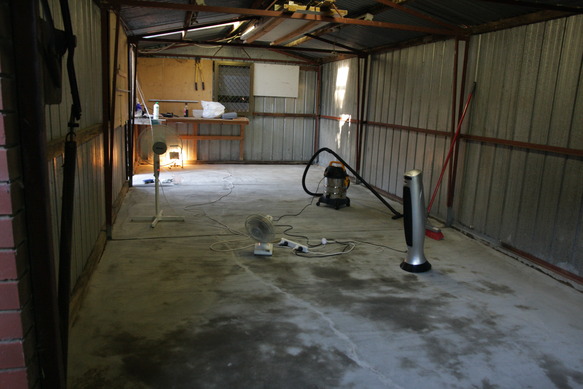
<?xml version="1.0" encoding="utf-8"?><feed xmlns="http://www.w3.org/2005/Atom" ><generator uri="https://jekyllrb.com/" version="3.10.0">Jekyll</generator><link href="https://blog.kanotech.org/feed.xml" rel="self" type="application/atom+xml" /><link href="https://blog.kanotech.org/" rel="alternate" type="text/html" /><updated>2026-06-08T07:17:34+00:00</updated><id>https://blog.kanotech.org/feed.xml</id><title type="html">Work-in-Progress</title><subtitle>Rants, ideas and some useful info...</subtitle><author><name>Kane Partridge</name></author><entry><title type="html">Parts Shortages Are Nothing New</title><link href="https://blog.kanotech.org/electronics/history/2026/06/06/parts-shortages-are-nothing-new.html" rel="alternate" type="text/html" title="Parts Shortages Are Nothing New" /><published>2026-06-06T00:00:00+00:00</published><updated>2026-06-06T00:00:00+00:00</updated><id>https://blog.kanotech.org/electronics/history/2026/06/06/parts-shortages-are-nothing-new</id><content type="html" xml:base="https://blog.kanotech.org/electronics/history/2026/06/06/parts-shortages-are-nothing-new.html"><![CDATA[<p>I was looking through the operator’s manual for an old valve tester recently and found a couple of folded sheets of paper tucked inside.</p>
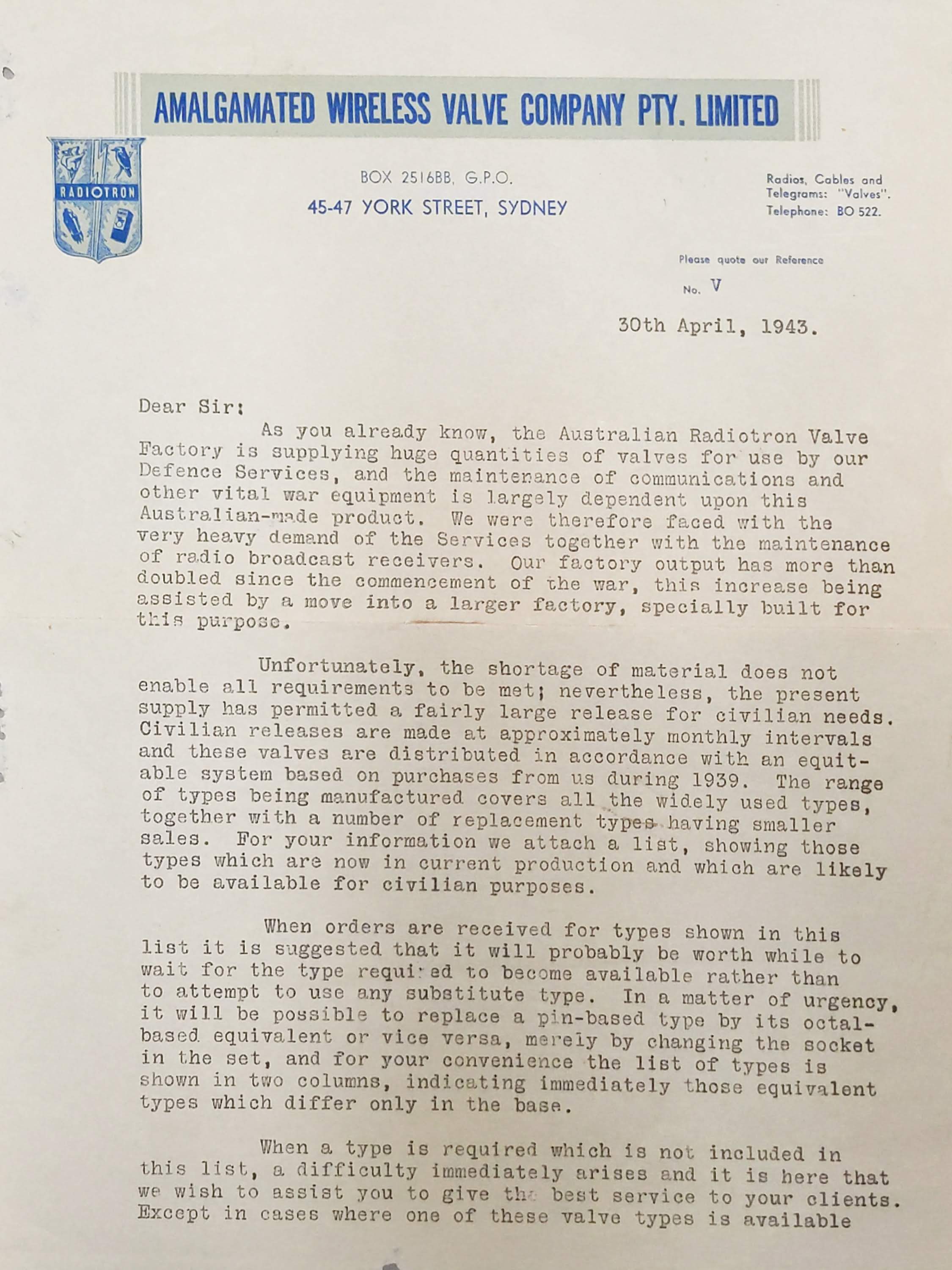
<p>They turned out to be a letter from Amalgamated Wireless Valve Company Pty. Limited, dated 30th April 1943. The company was the valve manufacturing arm of <a href="https://en.wikipedia.org/wiki/Amalgamated_Wireless_Australasia">Amalgamated Wireless (Australasia)</a>, better known as AWA, which was a major name in Australian radio, broadcasting, communications and electronics.</p>

<p>The date puts it right in the middle of the Second World War, less than a year after the Japanese midget submarine attack on Sydney Harbour and while Australia was still heavily focused on defence production in the Pacific war. Civilian radio maintenance mattered, but it was competing with military demand for communications and other equipment.</p>

<p>That alone would have been a nice little bit of radio history, but the subject matter was even better: valve shortages, allocation, civilian supply, equivalent parts, and what to do when the part you wanted was not available.</p>

<p>In other words, a parts shortage notice.</p>

<p><img src="/assets/images/posts/parts-shortages/awv-letter-page-1.jpg" alt="Amalgamated Wireless Valve Company letter about valve availability, page 1" /></p>

<p>At my day job I work as a hardware engineer, so parts shortages have been a recurring part of the job for years. Sometimes it is a small nuisance, where a diode or passive needs to be swapped for a close equivalent. Other times it is a project-level problem, where the wrong unavailable part can hold up a whole production run.</p>

<p>The causes change, but the pattern is familiar.</p>

<p>Over the last couple of decades we have had the GFC and the recovery that followed it, where capacity and inventory were cut and then demand came back faster than supply. We have had natural disasters like the 2011 Japan earthquake and the Thailand floods, both of which exposed how concentrated parts of the electronics supply chain had become. We have had the passive component squeezes around <a href="https://en.wikipedia.org/wiki/Ceramic_capacitor#Multi-layer_ceramic_capacitors_(MLCC)">MLCCs</a>, resistors and other high-volume parts as smartphones, cars, industrial equipment and IoT products all consumed more electronics.</p>

<p>Then came trade wars, tariffs, export controls, COVID pandemic, factory fires, shipping disruption, automotive demand whiplash, Ukraine/Russia material concerns, and now the AI boom pulling huge amounts of memory, advanced packaging, power hardware and data-centre infrastructure into one very hungry part of the market.</p>

<p>That is a long list, but the individual events are not really the point. The point is that electronics supply is always a balancing act. Demand moves quickly. Manufacturing capacity moves slowly. The parts themselves might be small, but the factories, materials, tooling, qualification processes and logistics behind them are anything but simple.</p>

<p>That is what makes this 1943 letter so interesting. It is not just saying “sorry, we are out of stock”. It explains that the Australian Radiotron Valve Factory was supplying large quantities of valves for defence use, while also trying to support civilian radio receivers. It says output had more than doubled since the start of the war, helped by a move into a larger purpose-built factory, but that material shortages still meant not all requirements could be met.</p>

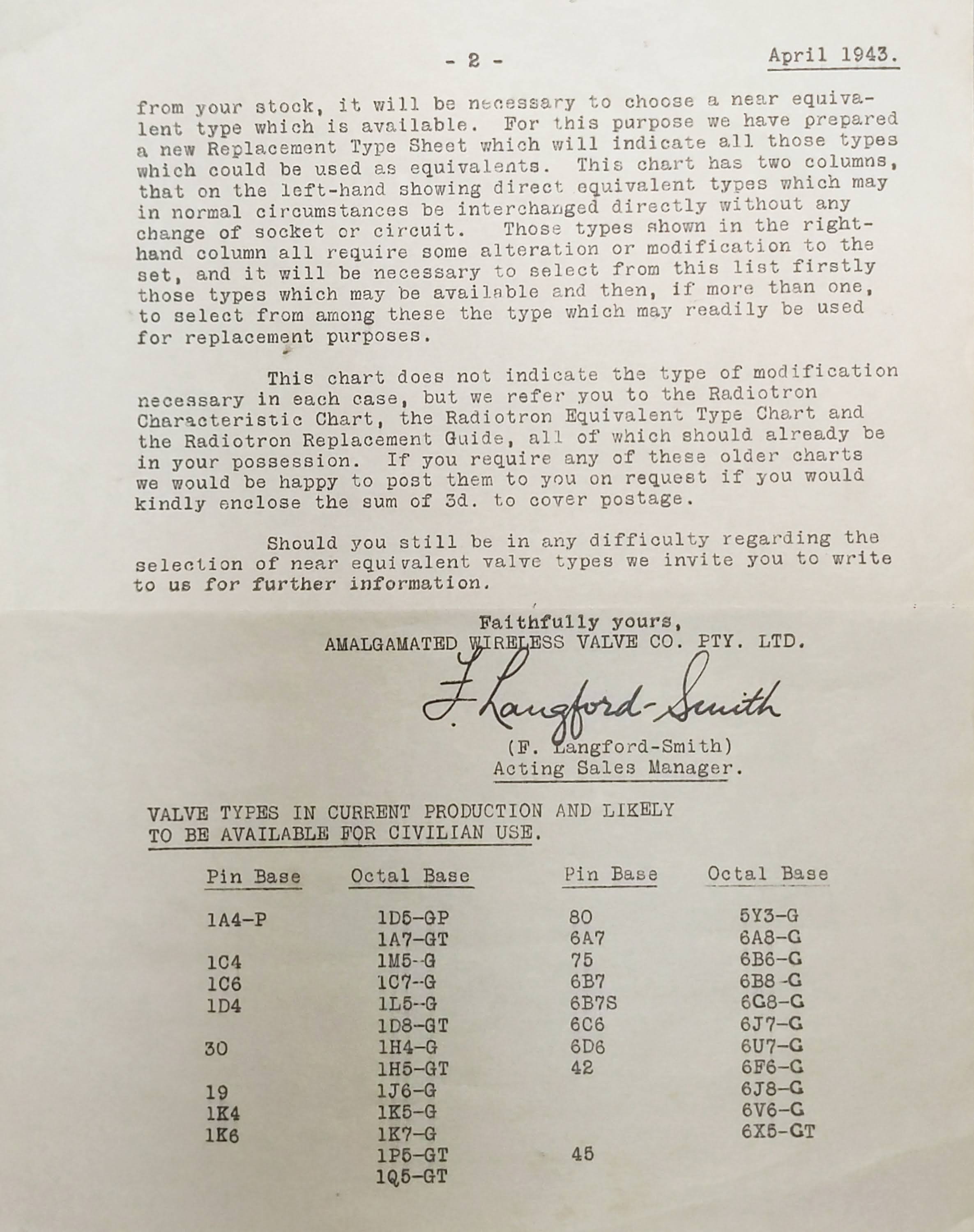
<p>The letter then describes civilian releases being made at roughly monthly intervals, distributed under an equitable system based on 1939 purchases. It suggests waiting for listed types where possible, using <a href="https://en.wikipedia.org/wiki/Tube_socket">pin-base</a> and <a href="https://en.wikipedia.org/wiki/Tube_socket">octal-base</a> equivalents when practical, changing sockets where needed, and referring to replacement charts when the exact type was not available.</p>

<p>That could almost be rewritten as a modern procurement email:</p>

<ul>
  <li>allocated stock will be released periodically;</li>
  <li>priority customers and historic demand will affect allocation;</li>
  <li>use approved alternates where available;</li>
  <li>redesign may be required for non-direct substitutes;</li>
  <li>contact us if you need help choosing a replacement.</li>
</ul>

<p><img src="/assets/images/posts/parts-shortages/awv-letter-page-2.jpg" alt="Amalgamated Wireless Valve Company letter about valve availability, page 2" /></p>

<p>The technology has changed, but the workarounds have not changed as much as we might like to think.</p>

<p>In 1943 the substitution might have been a <a href="https://en.wikipedia.org/wiki/Tube_socket">pin-base</a> valve for an <a href="https://en.wikipedia.org/wiki/Tube_socket">octal-base</a> equivalent, with a socket change in the radio. Today it might be a different microcontroller package, a regulator from another vendor, a revised PCB footprint, a different tolerance or dielectric, or a firmware change to support whatever peripheral is actually available. The details are different, but the engineering conversation is the same: what is available, what is equivalent, what needs to be changed, and what risk does the substitute introduce?</p>

<p>There is also a useful reminder here about design assumptions. It is very easy to treat availability as someone else’s problem until it suddenly becomes the main problem. A design is not really manufacturable just because the prototype worked. It also needs parts that can be bought, in the quantities required, at the time they are needed, from a supply chain that is not too fragile for the job.</p>

<p>That does not mean every hobby project or low-volume design needs a full procurement strategy. Sometimes you use what you have and accept the risk. But for anything that needs to be built again, the boring questions matter: second sources, package options, lifecycle status, stock depth, lead time, firmware flexibility, and whether the circuit can tolerate a sensible range of substitutes.</p>

<p>Finding this letter inside an old valve tester manual was a nice reminder that engineers and repairers have been dealing with the same basic problem for a very long time. Shortages are not new. Allocation is not new. Substitution guides are not new. That feels especially current while I am dealing with the fallout from <a href="https://www.trendforce.com/presscenter/news/20250811-12667.html">tight DDR4 supply</a> on products I work on, while the wider memory market is being pulled toward AI and data-centre demand. <a href="https://investors.micron.com/news-releases/news-release-details/micron-announces-exit-crucial-consumer-business">Micron’s announcement that it is exiting the Crucial consumer business</a> is a pretty clear example of where the priority has shifted. The flow-on effect is not just that memory costs more or takes longer to buy. Some system-on-modules that were expected to have years of life left have had their end-of-life dates brought forward, simply because the memory fitted to them is no longer available on the same terms.</p>

<p>The parts have changed from valves to ICs, memory and modules, but the lesson is much the same: the supply chain is part of the design, whether we want it to be or not.</p>]]></content><author><name>Kane Partridge</name></author><category term="electronics" /><category term="history" /><category term="electronics" /><category term="parts-shortages" /><category term="valves" /><category term="radiotron" /><category term="supply-chain" /><summary type="html"><![CDATA[I was looking through the operator’s manual for an old valve tester recently and found a couple of folded sheets of paper tucked inside.]]></summary></entry><entry><title type="html">Resurrecting The Blog</title><link href="https://blog.kanotech.org/blog/2026/06/03/welcome.html" rel="alternate" type="text/html" title="Resurrecting The Blog" /><published>2026-06-03T14:00:00+00:00</published><updated>2026-06-03T14:00:00+00:00</updated><id>https://blog.kanotech.org/blog/2026/06/03/welcome</id><content type="html" xml:base="https://blog.kanotech.org/blog/2026/06/03/welcome.html"><![CDATA[<p>I have brought the old blog back to life.</p>

<p>The original posts have been recovered from archives and restored here as best as I can manage. Some of the formatting, images, and links may still show their age, but the important part is that the old project notes are available again instead of being lost in backups and Wayback Machine snapshots.</p>

<p>It has been nearly fifteen years since the last proper post. A lot happened in that gap, and the biggest reason the blog went quiet is a good one: starting a family filled the missing years. The projects did not entirely stop, but writing about them certainly did.</p>

<p>I have missed having a place to document the things I am building, repairing, learning, and occasionally overcomplicating. There are plenty of ideas and unfinished projects I want to write up, from workshop jobs and old machinery through to electronics, software, automation, and whatever else ends up on the bench.</p>

<p>So this is not a clean start so much as a continuation. The old posts are back, the blog is running again, and I plan to keep adding to it from here.</p>]]></content><author><name>Kane Partridge</name></author><category term="blog" /><summary type="html"><![CDATA[I have brought the old blog back to life.]]></summary></entry><entry><title type="html">New Workshop – Part 2: New Window Installation</title><link href="https://blog.kanotech.org/workshop/2011/10/04/new-workshop-part-2-new-window-installation.html" rel="alternate" type="text/html" title="New Workshop – Part 2: New Window Installation" /><published>2011-10-04T21:10:57+00:00</published><updated>2011-10-04T21:10:57+00:00</updated><id>https://blog.kanotech.org/workshop/2011/10/04/new-workshop-part-2-new-window-installation</id><content type="html" xml:base="https://blog.kanotech.org/workshop/2011/10/04/new-workshop-part-2-new-window-installation.html"><![CDATA[<p>Window as advertised on eBay:</p>
<p><a href="/assets/images/posts/new-workshop-part-2-new-window-installation/ebay.thumbnail.jpg" title="ebay.jpg"><img src="/assets/images/posts/new-workshop-part-2-new-window-installation/ebay.thumbnail.jpg" alt="ebay.jpg" /></a></p>
<p>The work begins&#8230;</p>
<p>Marking out and constructing a frame:</p>
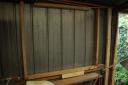
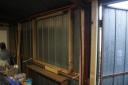
<p><a href="/assets/images/posts/new-workshop-part-2-new-window-installation/shed_window_1.thumbnail.jpg" title="shed_window_1.jpg"><img src="/assets/images/posts/new-workshop-part-2-new-window-installation/shed_window_1.thumbnail.jpg" alt="shed_window_1.jpg" /></a><a href="/assets/images/posts/new-workshop-part-2-new-window-installation/shed_window_2.thumbnail.jpg" title="shed_window_2.jpg"><img src="/assets/images/posts/new-workshop-part-2-new-window-installation/shed_window_2.thumbnail.jpg" alt="shed_window_2.jpg" /></a><a href="/assets/images/posts/new-workshop-part-2-new-window-installation/shed_window_3.thumbnail.jpg" title="shed_window_3.jpg"><img src="/assets/images/posts/new-workshop-part-2-new-window-installation/shed_window_3.thumbnail.jpg" alt="shed_window_3.jpg" /></a><a href="/assets/images/posts/new-workshop-part-2-new-window-installation/shed_window_4.thumbnail.jpg" title="shed_window_4.jpg"><img src="/assets/images/posts/new-workshop-part-2-new-window-installation/shed_window_4.thumbnail.jpg" alt="shed_window_4.jpg" /></a></p>
<p>Cutting the hole:</p>
<p><a href="/assets/images/posts/new-workshop-part-2-new-window-installation/shed_window_5.thumbnail.jpg" title="shed_window_5.jpg"><img src="/assets/images/posts/new-workshop-part-2-new-window-installation/shed_window_5.thumbnail.jpg" alt="shed_window_5.jpg" /></a><a href="/assets/images/posts/new-workshop-part-2-new-window-installation/shed_window_6.thumbnail.jpg" title="shed_window_6.jpg"><img src="/assets/images/posts/new-workshop-part-2-new-window-installation/shed_window_6.thumbnail.jpg" alt="shed_window_6.jpg" /></a></p>
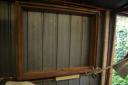
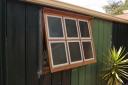
<p>Frame fixed in position and window mounted:</p>
<p><a href="/assets/images/posts/new-workshop-part-2-new-window-installation/shed_window_9.thumbnail.jpg" title="shed_window_9.jpg"><img src="/assets/images/posts/new-workshop-part-2-new-window-installation/shed_window_9.thumbnail.jpg" alt="shed_window_9.jpg" /></a><a href="/assets/images/posts/new-workshop-part-2-new-window-installation/shed_window_10.thumbnail.jpg" title="shed_window_10.jpg"><img src="/assets/images/posts/new-workshop-part-2-new-window-installation/shed_window_10.thumbnail.jpg" alt="shed_window_10.jpg" /></a><a href="/assets/images/posts/new-workshop-part-2-new-window-installation/shed_window_8.thumbnail.jpg" title="shed_window_8.jpg"><img src="/assets/images/posts/new-workshop-part-2-new-window-installation/shed_window_8.thumbnail.jpg" alt="shed_window_8.jpg" /></a></p>
<p>Sanded back and preparing to re-finish surface:</p>
<p><a href="/assets/images/posts/new-workshop-part-2-new-window-installation/shed_window_11.thumbnail.jpg" title="shed_window_11.jpg"><img src="/assets/images/posts/new-workshop-part-2-new-window-installation/shed_window_11.thumbnail.jpg" alt="shed_window_11.jpg" /></a><a href="/assets/images/posts/new-workshop-part-2-new-window-installation/shed_window_12.thumbnail.jpg" title="shed_window_12.jpg"><img src="/assets/images/posts/new-workshop-part-2-new-window-installation/shed_window_12.thumbnail.jpg" alt="shed_window_12.jpg" /></a></p>
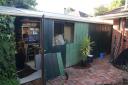
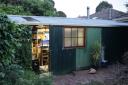
<p>Almost complete:</p>
<p><a href="/assets/images/posts/new-workshop-part-2-new-window-installation/shed_window_13.thumbnail.jpg" title="shed_window_13.jpg"><img src="/assets/images/posts/new-workshop-part-2-new-window-installation/shed_window_13.thumbnail.jpg" alt="shed_window_13.jpg" /></a><a href="/assets/images/posts/new-workshop-part-2-new-window-installation/shed_window_16.thumbnail.jpg" title="shed_window_16.jpg"><img src="/assets/images/posts/new-workshop-part-2-new-window-installation/shed_window_16.thumbnail.jpg" alt="shed_window_16.jpg" /></a><a href="/assets/images/posts/new-workshop-part-2-new-window-installation/shed_window_17.thumbnail.jpg" title="shed_window_17.jpg"><img src="/assets/images/posts/new-workshop-part-2-new-window-installation/shed_window_17.thumbnail.jpg" alt="shed_window_17.jpg" /></a><a href="/assets/images/posts/new-workshop-part-2-new-window-installation/shed_window_18.thumbnail.jpg" title="shed_window_18.jpg"><img src="/assets/images/posts/new-workshop-part-2-new-window-installation/shed_window_18.thumbnail.jpg" alt="shed_window_18.jpg" /></a></p>
<p><a href="/assets/images/posts/new-workshop-part-2-new-window-installation/shed_window_19.thumbnail.jpg" title="shed_window_19.jpg"><img src="/assets/images/posts/new-workshop-part-2-new-window-installation/shed_window_19.thumbnail.jpg" alt="shed_window_19.jpg" /></a></p>]]></content><author><name>Kane Partridge</name></author><category term="workshop" /><summary type="html"><![CDATA[Window as advertised on eBay: The work begins&#8230; Marking out and constructing a frame: Cutting the hole: Frame fixed in position and window mounted: Sanded back and preparing to re-finish surface: Almost complete:]]></summary></entry><entry><title type="html">New Workshop – Part 1: Sealing concrete floor</title><link href="https://blog.kanotech.org/workshop/2011/03/11/new-workshop-part-1-sealing-concrete-floor.html" rel="alternate" type="text/html" title="New Workshop – Part 1: Sealing concrete floor" /><published>2011-03-11T16:14:09+00:00</published><updated>2011-03-11T16:14:09+00:00</updated><id>https://blog.kanotech.org/workshop/2011/03/11/new-workshop-part-1-sealing-concrete-floor</id><content type="html" xml:base="https://blog.kanotech.org/workshop/2011/03/11/new-workshop-part-1-sealing-concrete-floor.html"><![CDATA[<p><a href="/assets/images/posts/new-workshop-part-1-sealing-concrete-floor/1_remove_items.jpg" title="Worshop floor preperation"><img src="/assets/images/posts/new-workshop-part-1-sealing-concrete-floor/1_remove_items.thumbnail.jpg" alt="Worshop floor preperation" /></a><a href="/assets/images/posts/new-workshop-part-1-sealing-concrete-floor/2_scrub__pressure_wash.jpg" title="Worshop floor scrub &amp; pressure wash"><img src="/assets/images/posts/new-workshop-part-1-sealing-concrete-floor/2_scrub__pressure_wash.thumbnail.jpg" alt="Worshop floor scrub &amp; pressure wash" /></a><a href="/assets/images/posts/new-workshop-part-1-sealing-concrete-floor/3_fill__sand.jpg" title="Worshop floor fill and sand"><img src="/assets/images/posts/new-workshop-part-1-sealing-concrete-floor/3_fill__sand.thumbnail.jpg" alt="Worshop floor fill and sand" /></a><a href="/assets/images/posts/new-workshop-part-1-sealing-concrete-floor/4_acid_etch__rinse.jpg" title="Worshop floor acid etch and rinse"><img src="/assets/images/posts/new-workshop-part-1-sealing-concrete-floor/4_acid_etch__rinse.thumbnail.jpg" alt="Worshop floor acid etch and rinse" /></a><a href="/assets/images/posts/new-workshop-part-1-sealing-concrete-floor/5_drying.jpg" title="Workshop floor drying"><img src="/assets/images/posts/new-workshop-part-1-sealing-concrete-floor/5_drying.thumbnail.jpg" alt="Workshop floor drying" /></a><a href="/assets/images/posts/new-workshop-part-1-sealing-concrete-floor/6_1st_coat.jpg" title="Workshop floor 1st coat"><img src="/assets/images/posts/new-workshop-part-1-sealing-concrete-floor/6_1st_coat.thumbnail.jpg" alt="Workshop floor 1st coat" /></a><a href="/assets/images/posts/new-workshop-part-1-sealing-concrete-floor/7_2nd_coat.jpg" title="Workshop floor 2nd coat"><img src="/assets/images/posts/new-workshop-part-1-sealing-concrete-floor/7_2nd_coat.thumbnail.jpg" alt="Workshop floor 2nd coat" /></a></p>]]></content><author><name>Kane Partridge</name></author><category term="workshop" /><summary type="html"><![CDATA[]]></summary></entry><entry><title type="html">Briggs &amp;amp; Stratton Engine Rebuild – Part 5: Cleaning and Preparation</title><link href="https://blog.kanotech.org/briggs-stratton-rebuild/engines/mechanical/2010/12/12/briggs-stratton-engine-rebuild-part-5-cleaning-and-preparation.html" rel="alternate" type="text/html" title="Briggs &amp;amp; Stratton Engine Rebuild – Part 5: Cleaning and Preparation" /><published>2010-12-12T11:04:32+00:00</published><updated>2010-12-12T11:04:32+00:00</updated><id>https://blog.kanotech.org/briggs-stratton-rebuild/engines/mechanical/2010/12/12/briggs-stratton-engine-rebuild-part-5-cleaning-and-preparation</id><content type="html" xml:base="https://blog.kanotech.org/briggs-stratton-rebuild/engines/mechanical/2010/12/12/briggs-stratton-engine-rebuild-part-5-cleaning-and-preparation.html"><![CDATA[<p>I have finally got back onto the mower rebuild!</p>
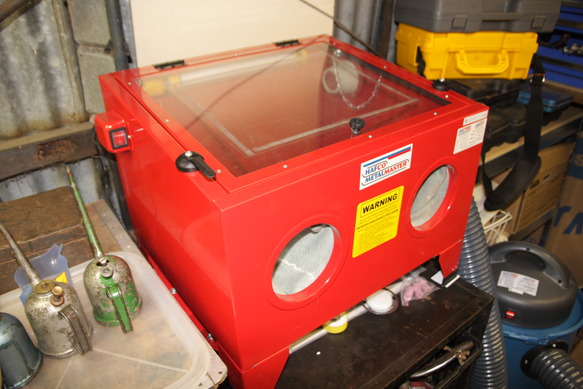
<p>I purchased a small sand blasting cabinet and dust extractor from the <a href="https://www.machineryhouse.com.au/" target="_blank">Hare and Forbes Machinery House</a> 3-day sale a few weeks ago. Now I can start sandblasting the old paint and built-up rubbish from the outside of the engine casting, this should get things done a lot faster!</p>
<p><a href="/assets/images/posts/briggs-stratton-engine-rebuild-part-5-cleaning-and-preparation/img_2334.jpg" title="Sand blasting cabinet"><img src="/assets/images/posts/briggs-stratton-engine-rebuild-part-5-cleaning-and-preparation/img_2334.thumbnail.jpg" alt="Sand blasting cabinet" /></a></p>
<p>It&#8217;s a small sand blasting cabinet, but should be fine for these small parts.</p>
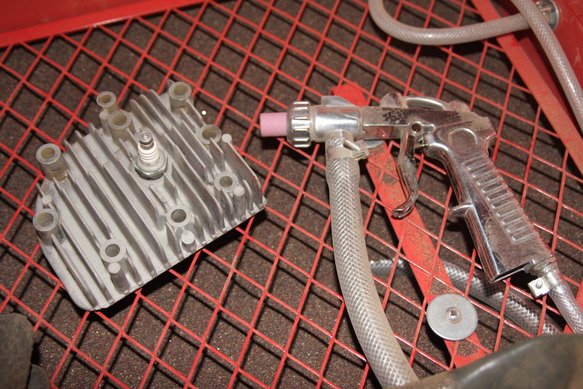
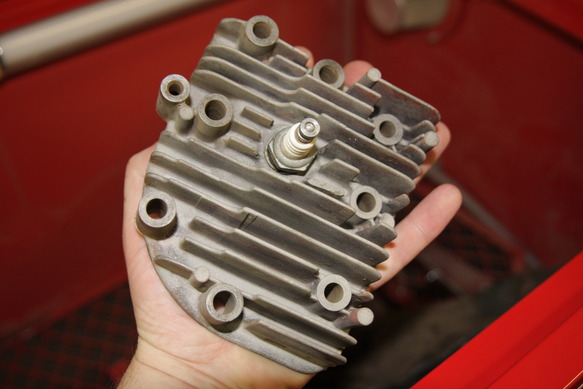
<p>Using a 25Kg bag of Garnet that I also bought from the sale, I have sandblasted the head of the Briggs &amp; Stratton after plugging up the spark plug hole with an old sparkplug, it&#8217;s cleaning up quite nicely <img src="/assets/images/posts/briggs-stratton-engine-rebuild-part-5-cleaning-and-preparation/simple-smile.png" alt=":)" class="wp-smiley" style="height: 1em; max-height: 1em;" /></p>
<p><a href="/assets/images/posts/briggs-stratton-engine-rebuild-part-5-cleaning-and-preparation/img_2525.jpg" title="Sand blasting briggs and stratton head"><img src="/assets/images/posts/briggs-stratton-engine-rebuild-part-5-cleaning-and-preparation/img_2525.thumbnail.jpg" alt="Sand blasting briggs and stratton head" /></a> <a href="/assets/images/posts/briggs-stratton-engine-rebuild-part-5-cleaning-and-preparation/img_2523.jpg" title="Sand blasted briggs &amp; stratton head"><img src="/assets/images/posts/briggs-stratton-engine-rebuild-part-5-cleaning-and-preparation/img_2523.thumbnail.jpg" alt="Sand blasted briggs &amp; stratton head" /></a></p>
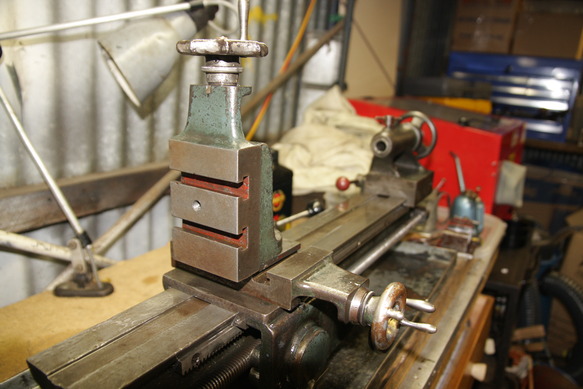
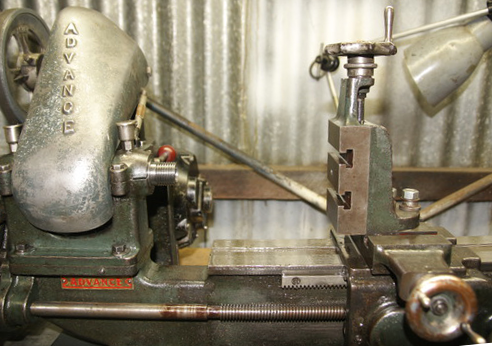
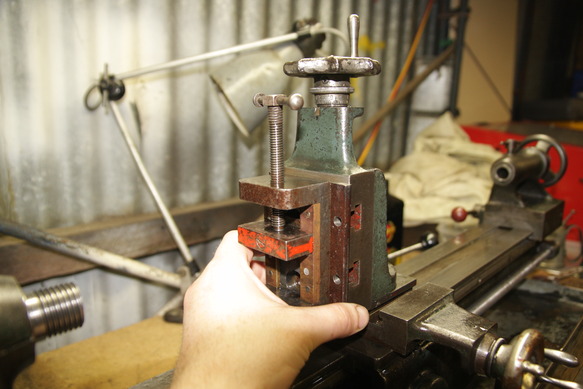
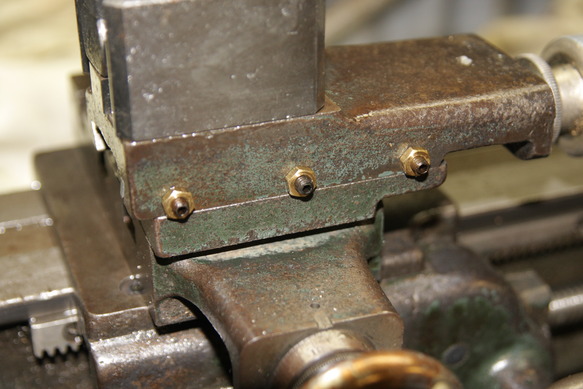
<p>I need to go over it a few more times to remove some little bits I missed, however I am quite happy with the results. I just hope I can find time to do the rest of it soon.</p>]]></content><author><name>Kane Partridge</name></author><category term="briggs-stratton-rebuild" /><category term="engines" /><category term="mechanical" /><summary type="html"><![CDATA[I have finally got back onto the mower rebuild! I purchased a small sand blasting cabinet and dust extractor from the Hare and Forbes Machinery House 3-day sale a few weeks ago. Now I can start sandblasting the old paint and built-up rubbish from the outside of the engine casting, this should get things done a lot faster! It&#8217;s a small sand blasting cabinet, but should be fine for these small parts. Using a 25Kg bag of Garnet that I also bought from the sale, I have sandblasted the head of the Briggs &amp; Stratton after plugging up the spark plug hole with an old sparkplug, it&#8217;s cleaning up quite nicely I need to go over it a few more times to remove some little bits I missed, however I am quite happy with the results. I just hope I can find time to do the rest of it soon.]]></summary></entry><entry><title type="html">Advance Lathe Vertical Slide &amp;amp; Gear Cutting Attachments</title><link href="https://blog.kanotech.org/advance-lathe/2010/12/07/advance-lathe-vertical-slide-gear-cutting-attachments.html" rel="alternate" type="text/html" title="Advance Lathe Vertical Slide &amp;amp; Gear Cutting Attachments" /><published>2010-12-07T21:16:30+00:00</published><updated>2010-12-07T21:16:30+00:00</updated><id>https://blog.kanotech.org/advance-lathe/2010/12/07/advance-lathe-vertical-slide-gear-cutting-attachments</id><content type="html" xml:base="https://blog.kanotech.org/advance-lathe/2010/12/07/advance-lathe-vertical-slide-gear-cutting-attachments.html"><![CDATA[<p>I was going through a box of lathe parts that I had not sorted through yet and I came across what looked like a compound slide of some sort, then it hit me, it was a vertical slide attachment for the lathe. On closer inspection I realised that the style of the casting and the paint colour matched that of the Advance Lathe.</p>
<p>Here are a few pic&#8217;s after I removed the compound slide and mounted the vertical slide to the cross slide of the Advance.</p>
<p><a href="/assets/images/posts/advance-lathe-vertical-slide-gear-cutting-attachments/img_2479.jpg" title="Advance Lathe Vertical Slide"><img src="/assets/images/posts/advance-lathe-vertical-slide-gear-cutting-attachments/img_2479.thumbnail.jpg" alt="Advance Lathe Vertical Slide" height="94" width="128" /></a><a href="/assets/images/posts/advance-lathe-vertical-slide-gear-cutting-attachments/advance_vertical_slide.png" title="Advance Lathe vertical slide"><img src="/assets/images/posts/advance-lathe-vertical-slide-gear-cutting-attachments/advance_vertical_slide.thumbnail.png" alt="Advance Lathe vertical slide" height="95" width="129" /></a></p>
<p>I think it may be an original Advance vertical slide attachment! now I can do milling of small parts in my lathe! <img src="/assets/images/posts/advance-lathe-vertical-slide-gear-cutting-attachments/simple-smile.png" alt=":)" class="wp-smiley" style="height: 1em; max-height: 1em;" /></p>
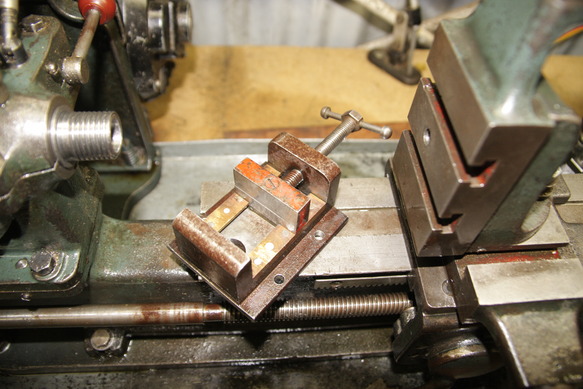
<p>I also found a little vice that looks like it has been modified with a new base to align the mounting holes to the T-slots on the vertical slide!</p>
<p><a href="/assets/images/posts/advance-lathe-vertical-slide-gear-cutting-attachments/img_2514.jpg" title="Advance Lathe milling attachment"><img src="/assets/images/posts/advance-lathe-vertical-slide-gear-cutting-attachments/img_2514.thumbnail.jpg" alt="Advance Lathe milling attachment" /></a><a href="/assets/images/posts/advance-lathe-vertical-slide-gear-cutting-attachments/img_2515.jpg" title="Advance Lathe milling attachment"><img src="/assets/images/posts/advance-lathe-vertical-slide-gear-cutting-attachments/img_2515.thumbnail.jpg" alt="Advance Lathe milling attachment" /></a></p>
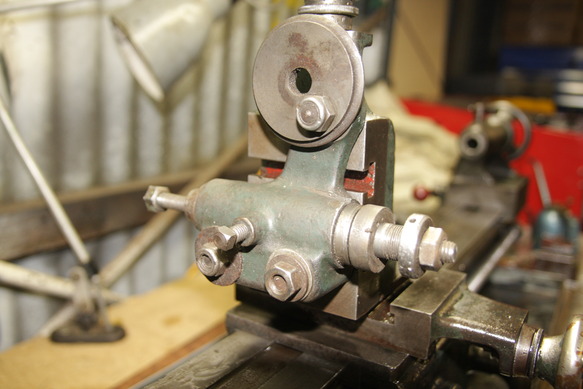
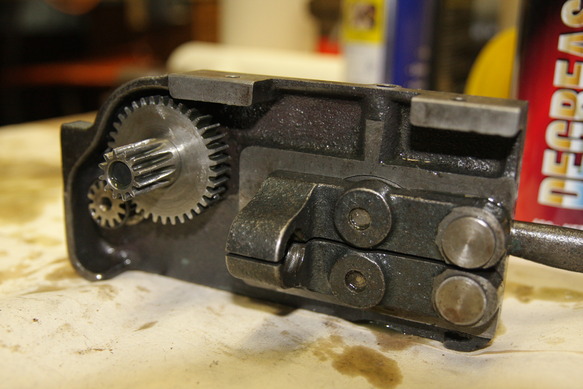
<p>Attached to the vertical slide was an odd-looking attachment, again similar colour paint. I think their may be a few parts to it missing but to me it looks like some kind of gear cutting attachment, another original Advance lathe accessory? perhaps so..</p>
<p><a href="/assets/images/posts/advance-lathe-vertical-slide-gear-cutting-attachments/img_2494.jpg" title="Advance Lathe gear cutting attachment"><img src="/assets/images/posts/advance-lathe-vertical-slide-gear-cutting-attachments/img_2494.thumbnail.jpg" alt="Advance Lathe gear cutting attachment" /></a></p>
<p>If you know what this is and how it should be used please leave a comment.</p>
<p>I&#8217;m very excited that I have found what seems to be genuine attachments for the Advance Lathe, I had no idea that grandpa had these items for the lathe, I often wondered how he got by without any milling equipment. If I can get some gear cutting going as well as milling I&#8217;ll be very happy.</p>]]></content><author><name>Kane Partridge</name></author><category term="advance-lathe" /><summary type="html"><![CDATA[I was going through a box of lathe parts that I had not sorted through yet and I came across what looked like a compound slide of some sort, then it hit me, it was a vertical slide attachment for the lathe. On closer inspection I realised that the style of the casting and the paint colour matched that of the Advance Lathe. Here are a few pic&#8217;s after I removed the compound slide and mounted the vertical slide to the cross slide of the Advance. I think it may be an original Advance vertical slide attachment! now I can do milling of small parts in my lathe! I also found a little vice that looks like it has been modified with a new base to align the mounting holes to the T-slots on the vertical slide! Attached to the vertical slide was an odd-looking attachment, again similar colour paint. I think their may be a few parts to it missing but to me it looks like some kind of gear cutting attachment, another original Advance lathe accessory? perhaps so.. If you know what this is and how it should be used please leave a comment. I&#8217;m very excited that I have found what seems to be genuine attachments for the Advance Lathe, I had no idea that grandpa had these items for the lathe, I often wondered how he got by without any milling equipment. If I can get some gear cutting going as well as milling I&#8217;ll be very happy.]]></summary></entry><entry><title type="html">Power Hacksaw Restoration</title><link href="https://blog.kanotech.org/mechanical/power-hacksaw/2010/12/02/power-hacksaw-restoration.html" rel="alternate" type="text/html" title="Power Hacksaw Restoration" /><published>2010-12-02T11:16:47+00:00</published><updated>2010-12-02T11:16:47+00:00</updated><id>https://blog.kanotech.org/mechanical/power-hacksaw/2010/12/02/power-hacksaw-restoration</id><content type="html" xml:base="https://blog.kanotech.org/mechanical/power-hacksaw/2010/12/02/power-hacksaw-restoration.html"><![CDATA[<p>One of the machines I want for my little workshop is a power hacksaw or horizontal bandsaw to cut my stock to length to place in the lathe. I was after a good old unit that could be a nice restoration project, I enjoy the idea of restoring/rebuilding machinery, then I know for sure it&#8217;s in good condition and will also know it back to front.</p>
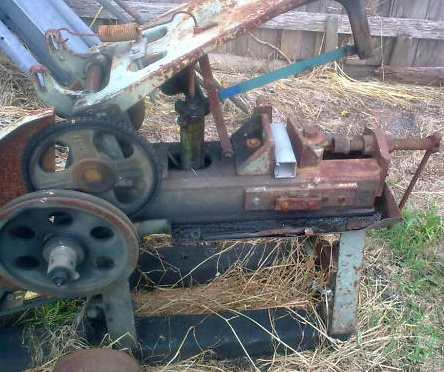
<p>I came across this &#8216;oldie-but-goodie&#8217; on ebay which looked like it needed a bit of work to bring it back. This is the original picture as advertised:</p>
<p><a href="/assets/images/posts/power-hacksaw-restoration/hacksaw_orig.png" title="Power Hacksaw Untouched"><img src="/assets/images/posts/power-hacksaw-restoration/hacksaw_orig.thumbnail.png" alt="Power Hacksaw Untouched" /></a></p>
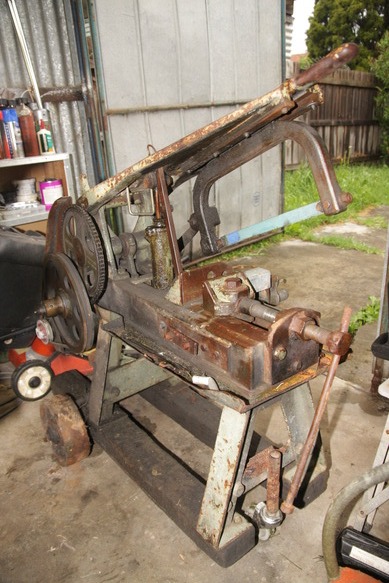
<p>I received the hacksaw today, I&#8217;m quite happy with it.</p>
<p><a href="/assets/images/posts/power-hacksaw-restoration/img_2308.jpg" title="Power Hacksaw"><img src="/assets/images/posts/power-hacksaw-restoration/img_2308.thumbnail.jpg" alt="Power Hacksaw" /></a></p>
<p>It&#8217;s a very nice, heavy and sturdy machine, all the mechanisms seem to move freely and as expected when I turn the belt wheel by hand the saw goes through the forward cutting motion, then on return lifts the blade, however the cylinder isn&#8217;t working so after the return the blade comes down with the full weight of the upper portion of the machine into the work piece, this would break teeth of the blade or the blade itself so I decided not to power it up for an initial test run until I at least fix that issue.</p>
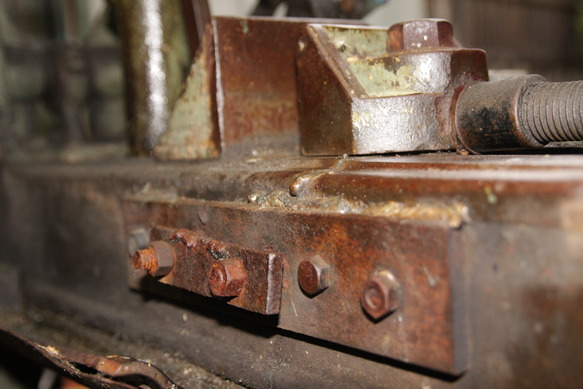
<p>Another issue with the saw is the bed where the vice clamp is, the casting is actually cracked straight through and has been repaired at some stage (and not very well), the surface level of the bed either side of the crack is not level, the repair can be seen on the side, a metal strip has been bolted and welded to hold the two pieces together.</p>
<p><a href="/assets/images/posts/power-hacksaw-restoration/img_2310.jpg" title="Broken power hacksaw bed"><img src="/assets/images/posts/power-hacksaw-restoration/img_2310.thumbnail.jpg" alt="Broken power hacksaw bed" /></a></p>
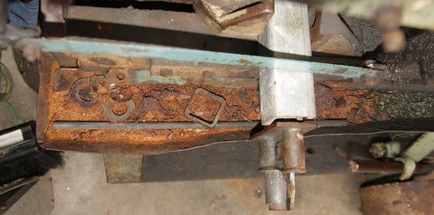
<p>It looks like the hacksaw had been neglected for a while, the tray was almost full to the brim of rusted filings which had formed one solid piece over time. I managed to pry it out and break it up, finding many broken blades buried under the filings. To my surprise the tray itself is still in good condition, I expected the worst that it would be almost rusted through.</p>
<p><a href="/assets/images/posts/power-hacksaw-restoration/img_2319-1.jpg" title="Tray full of filings"><img src="/assets/images/posts/power-hacksaw-restoration/img_2319-1.thumbnail.jpg" alt="Tray full of filings" /></a></p>
<p>I will detail the restoration process as I go, I will start by stripping the machine down into it&#8217;s individual parts, degrease and clean them, then sand blast old paint off, replace any broken or worn parts, new coat of paint then oil and re-assemble. However I still have other &#8216;Work in Progress..&#8217; which I have not finished yet! so it might be a while before I get started on it.</p>]]></content><author><name>Kane Partridge</name></author><category term="mechanical" /><category term="power-hacksaw" /><summary type="html"><![CDATA[One of the machines I want for my little workshop is a power hacksaw or horizontal bandsaw to cut my stock to length to place in the lathe. I was after a good old unit that could be a nice restoration project, I enjoy the idea of restoring/rebuilding machinery, then I know for sure it&#8217;s in good condition and will also know it back to front. I came across this &#8216;oldie-but-goodie&#8217; on ebay which looked like it needed a bit of work to bring it back. This is the original picture as advertised: I received the hacksaw today, I&#8217;m quite happy with it. It&#8217;s a very nice, heavy and sturdy machine, all the mechanisms seem to move freely and as expected when I turn the belt wheel by hand the saw goes through the forward cutting motion, then on return lifts the blade, however the cylinder isn&#8217;t working so after the return the blade comes down with the full weight of the upper portion of the machine into the work piece, this would break teeth of the blade or the blade itself so I decided not to power it up for an initial test run until I at least fix that issue. Another issue with the saw is the bed where the vice clamp is, the casting is actually cracked straight through and has been repaired at some stage (and not very well), the surface level of the bed either side of the crack is not level, the repair can be seen on the side, a metal strip has been bolted and welded to hold the two pieces together. It looks like the hacksaw had been neglected for a while, the tray was almost full to the brim of rusted filings which had formed one solid piece over time. I managed to pry it out and break it up, finding many broken blades buried under the filings. To my surprise the tray itself is still in good condition, I expected the worst that it would be almost rusted through. I will detail the restoration process as I go, I will start by stripping the machine down into it&#8217;s individual parts, degrease and clean them, then sand blast old paint off, replace any broken or worn parts, new coat of paint then oil and re-assemble. However I still have other &#8216;Work in Progress..&#8217; which I have not finished yet! so it might be a while before I get started on it.]]></summary></entry><entry><title type="html">Lathe Maintenance</title><link href="https://blog.kanotech.org/advance-lathe/engineering/mechanical/2010/11/26/lathe-maintenance.html" rel="alternate" type="text/html" title="Lathe Maintenance" /><published>2010-11-26T18:44:07+00:00</published><updated>2010-11-26T18:44:07+00:00</updated><id>https://blog.kanotech.org/advance-lathe/engineering/mechanical/2010/11/26/lathe-maintenance</id><content type="html" xml:base="https://blog.kanotech.org/advance-lathe/engineering/mechanical/2010/11/26/lathe-maintenance.html"><![CDATA[<p>I received my order in the post from bolt.com.au the other day containing the new gib screws, brass nuts and other bits and pieces.</p>
<p>While removing parts of the lathe I decided that if I was going to go ahead and remove the compound slide, cross slide and carriage to clean out the dovetails, gib&#8217;s and replace the gib screws then I might as well take apart the apron and clean it out too.</p>
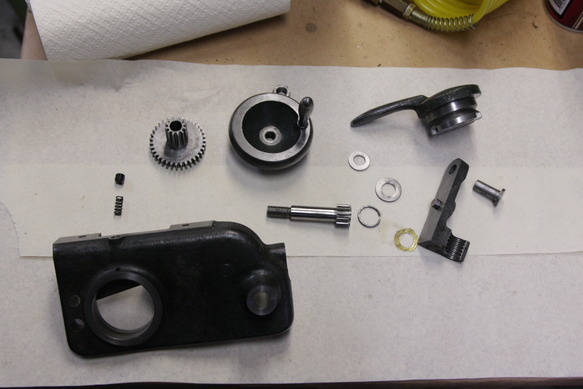
<p>I disassembled the apron into all of it&#8217;s pieces, except one of the half nuts which I was unable to remove, degreased and cleaned each piece individually. There was quite a bit of build up of old grease, dirt and brass swarf. In fact I discovered that some of the oil holes were completely blocked, so all of my previous routine oiling was in vein.</p>
<p><a href="/assets/images/posts/lathe-maintenance/apron_in_pieces.jpg" title="Advance Lathe apron in pieces"><img src="/assets/images/posts/lathe-maintenance/apron_in_pieces.thumbnail.jpg" alt="Advance Lathe apron in pieces" /></a></p>
<p>After getting a good clean, everything got a coating of one type of oil or another then reassembled.</p>
<p>I wish I had taken a &#8216;before photo&#8217; of the inside of the apron because after cleaning it came up quite well (compared to before).</p>
<p><a href="/assets/images/posts/lathe-maintenance/apron_reassembled.jpg" title="Advance Lathe apron cleaned reassembled"><img src="/assets/images/posts/lathe-maintenance/apron_reassembled.thumbnail.jpg" alt="Advance Lathe apron cleaned reassembled" /></a></p>
<p>I reattached the apron to the carriage using the new countersunk cap screws I purchased to replace the old ones. This was an attempt to stop the apron from working its way lose after just a little bit of use. I also cleaned each individual tooth in the rack, there was quite a bit of gunk compressed into the pit between each tooth.</p>
<p><a href="/assets/images/posts/lathe-maintenance/apron_reattached.jpg" title="Advance Lathe apron reattached."><img src="/assets/images/posts/lathe-maintenance/apron_reattached.thumbnail.jpg" alt="Advance Lathe apron reattached." /></a></p>
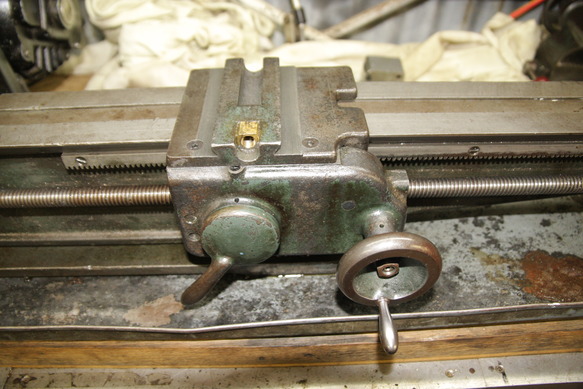
<p>The little piece of threaded brass on the carriage looks like it has been put there to extend the travel of the cross slide, grandpa must have had something to machine with a large diameter and couldn&#8217;t quite get the cross slide back far enough without disengaging the lead screw, it&#8217;s a nice little mod!</p>
<p>Before the carriage went back onto the bed, the gib screws got replaced with the new ones, including the locking nuts and new oil spread along the dovetail. After placing it back on and doing some adjustments on the gib screws, I am pleased to say it now has a much smoother movement in the carriage.</p>
<p><a href="/assets/images/posts/lathe-maintenance/carriage_gib_screws.jpg" title="Advance Lathe carriage gib screws"><img src="/assets/images/posts/lathe-maintenance/carriage_gib_screws.thumbnail.jpg" alt="Advance Lathe carriage gib screws" /></a></p>
<p>You can see that the carriage has two gib screws with locking nuts and the 3rd gib screw in the centre is a thumb screw, this is used as a carriage lock, I may make some improvements to this down the track.</p>
<p>The cross slide gib screws were not quite long enough to add my brass locking nuts! <img src="/assets/images/posts/lathe-maintenance/frownie.png" alt=":(" class="wp-smiley" style="height: 1em; max-height: 1em;" /> I wrongly assumed they were the same length as the compound slide when I was ordering them, it looks like another order will be placed shortly.</p>
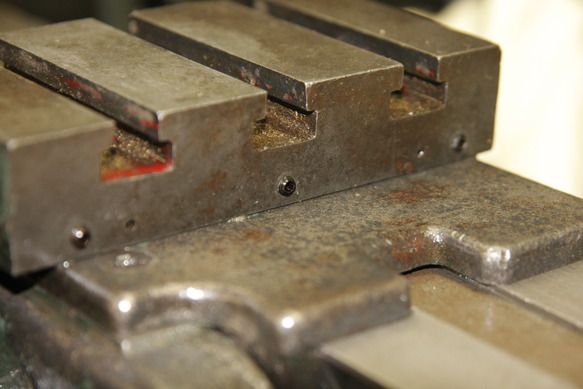
<p><a href="/assets/images/posts/lathe-maintenance/cross_slide_gib_screws.jpg" title="Advance Lathe cross slide gib screws"><img src="/assets/images/posts/lathe-maintenance/cross_slide_gib_screws.thumbnail.jpg" alt="Advance Lathe cross slide gib screws" /></a></p>
<p>The compound slide gib screws look the part! All threads were cleaned out using a 3/16 BSW tap before placing in the new gib screws.</p>
<p><a href="/assets/images/posts/lathe-maintenance/compound_slide_gib_screws.jpg" title="Advance Lathe compound slide gib screws."><img src="/assets/images/posts/lathe-maintenance/compound_slide_gib_screws.thumbnail.jpg" alt="Advance Lathe compound slide gib screws." /></a></p>
<p>Next step is to do some machining to see if I get any better results, but that&#8217;s enough for today!</p>
<p>These little improvements to the lathe are all just part of the many things I want to do to the old Advance lathe to improve the quality of the cuts and it&#8217;s usability.</p>]]></content><author><name>Kane Partridge</name></author><category term="advance-lathe" /><category term="engineering" /><category term="mechanical" /><summary type="html"><![CDATA[I received my order in the post from bolt.com.au the other day containing the new gib screws, brass nuts and other bits and pieces. While removing parts of the lathe I decided that if I was going to go ahead and remove the compound slide, cross slide and carriage to clean out the dovetails, gib&#8217;s and replace the gib screws then I might as well take apart the apron and clean it out too. I disassembled the apron into all of it&#8217;s pieces, except one of the half nuts which I was unable to remove, degreased and cleaned each piece individually. There was quite a bit of build up of old grease, dirt and brass swarf. In fact I discovered that some of the oil holes were completely blocked, so all of my previous routine oiling was in vein. After getting a good clean, everything got a coating of one type of oil or another then reassembled. I wish I had taken a &#8216;before photo&#8217; of the inside of the apron because after cleaning it came up quite well (compared to before). I reattached the apron to the carriage using the new countersunk cap screws I purchased to replace the old ones. This was an attempt to stop the apron from working its way lose after just a little bit of use. I also cleaned each individual tooth in the rack, there was quite a bit of gunk compressed into the pit between each tooth. The little piece of threaded brass on the carriage looks like it has been put there to extend the travel of the cross slide, grandpa must have had something to machine with a large diameter and couldn&#8217;t quite get the cross slide back far enough without disengaging the lead screw, it&#8217;s a nice little mod! Before the carriage went back onto the bed, the gib screws got replaced with the new ones, including the locking nuts and new oil spread along the dovetail. After placing it back on and doing some adjustments on the gib screws, I am pleased to say it now has a much smoother movement in the carriage. You can see that the carriage has two gib screws with locking nuts and the 3rd gib screw in the centre is a thumb screw, this is used as a carriage lock, I may make some improvements to this down the track. The cross slide gib screws were not quite long enough to add my brass locking nuts! I wrongly assumed they were the same length as the compound slide when I was ordering them, it looks like another order will be placed shortly. The compound slide gib screws look the part! All threads were cleaned out using a 3/16 BSW tap before placing in the new gib screws. Next step is to do some machining to see if I get any better results, but that&#8217;s enough for today! These little improvements to the lathe are all just part of the many things I want to do to the old Advance lathe to improve the quality of the cuts and it&#8217;s usability.]]></summary></entry><entry><title type="html">Advance Lathe</title><link href="https://blog.kanotech.org/advance-lathe/engineering/mechanical/2010/11/12/advance-lathe.html" rel="alternate" type="text/html" title="Advance Lathe" /><published>2010-11-12T20:15:08+00:00</published><updated>2010-11-12T20:15:08+00:00</updated><id>https://blog.kanotech.org/advance-lathe/engineering/mechanical/2010/11/12/advance-lathe</id><content type="html" xml:base="https://blog.kanotech.org/advance-lathe/engineering/mechanical/2010/11/12/advance-lathe.html"><![CDATA[<p>Winter has passed and I am now venturing out into the workshop again.</p>
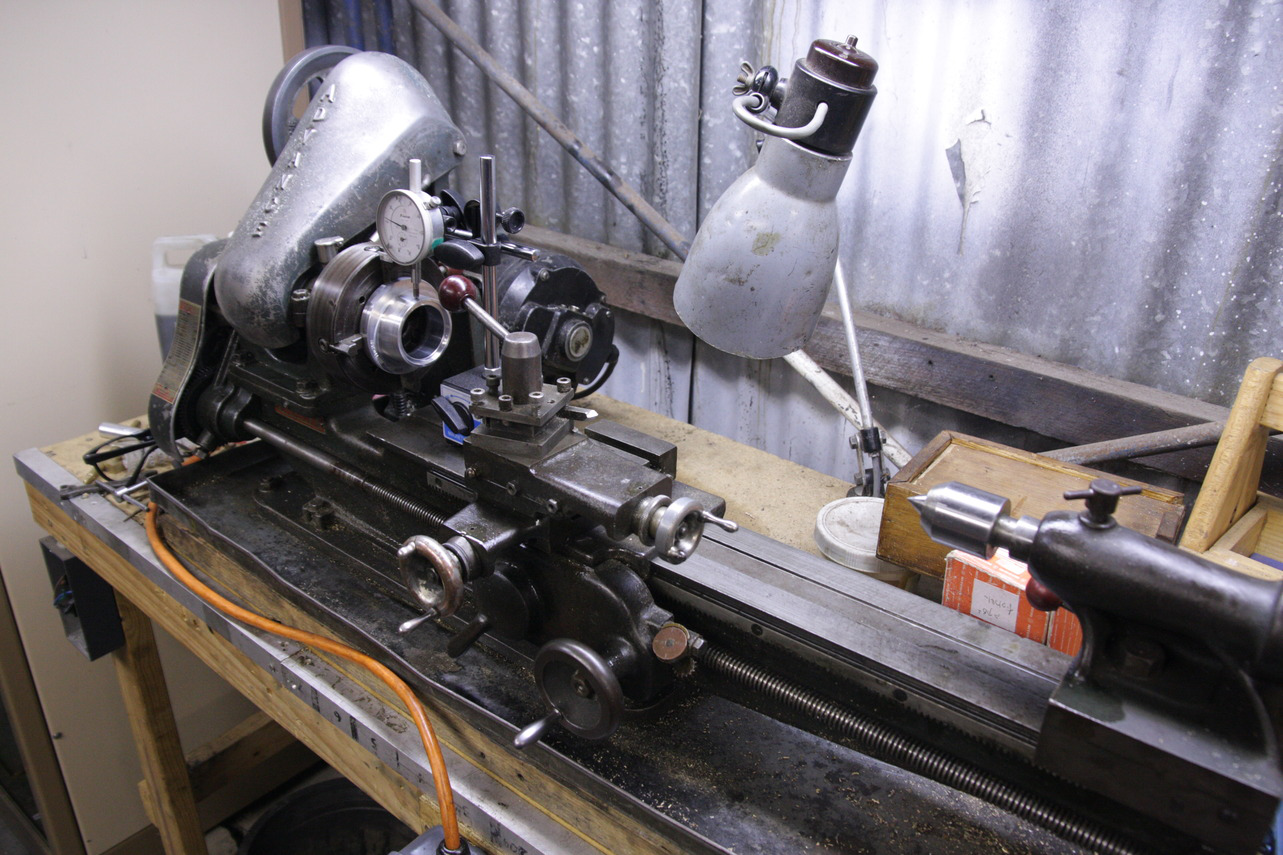
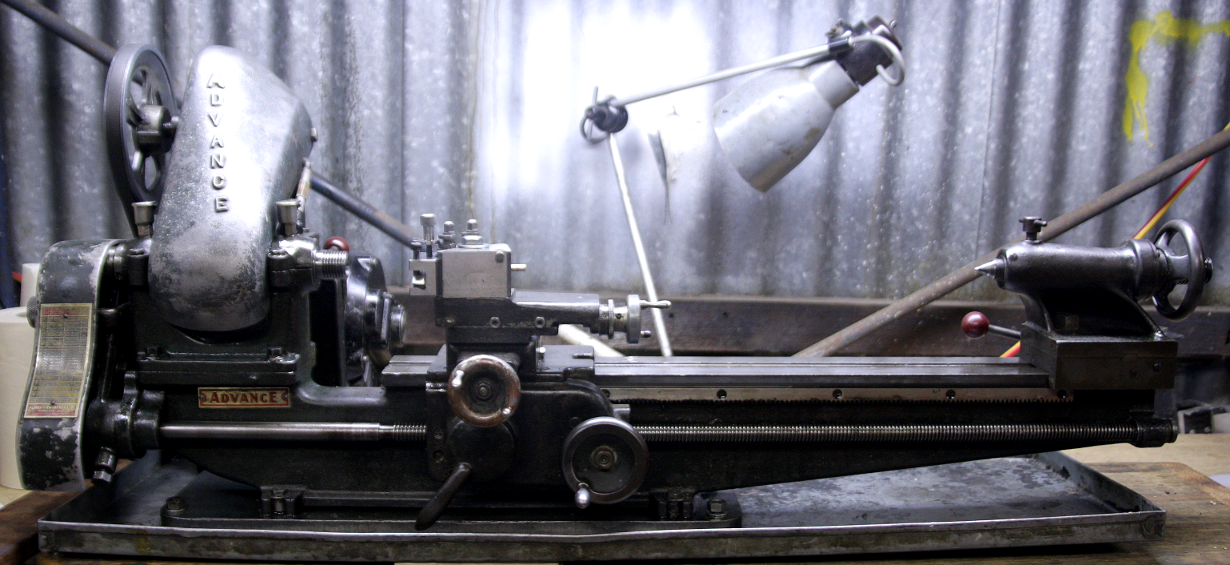
<p>In my workshop I have an old Alfred Stewart Advance lathe serial number AW609 which was handed down to me from my grandfather around ten to fifteen years ago when he got his hands on a Myford Super 7. I had not had much use of it over the years as the last few places I have lived in I had no workshop so I had the lathe in storage.</p>
<p><a href="/assets/images/posts/advance-lathe/advance_lathe.png" title="Advance Lathe"><img src="/assets/images/posts/advance-lathe/advance_lathe.thumbnail.png" alt="Advance Lathe" border="0" hspace="2" vspace="2" /></a></p>
<p>When I moved into my current place I decided to get it set up again so I could start machining a few projects. I started doing a bit of research into the lathe as I had not known much about it. I stumbled across some great on-line resources for this lathe, it turns out the Advance was made in Melbourne Australia which I found interesting and it seems the design is loosely based around early Myford lathes, more info available at <a href="http://www.lathes.co.uk/advance/" target="_blank">www.lathes.co.uk</a> and <a href="http://www.titaniumstudios.com/tooljunkie/advance.html" target="_blank">Tooljunkie</a> both excelent sites with a wealth of information.</p>
<p>It is a nice old lathe but has seen better days, I am now in the process of making repairs and improvements to the lathe.</p>
<p><a href="/assets/images/posts/advance-lathe/advance_lathe_front.png" title="advance_lathe_front.png"><img src="/assets/images/posts/advance-lathe/advance_lathe_front.thumbnail.png" alt="advance_lathe_front.png" border="0" height="68" hspace="2" vspace="2" width="144" /></a></p>
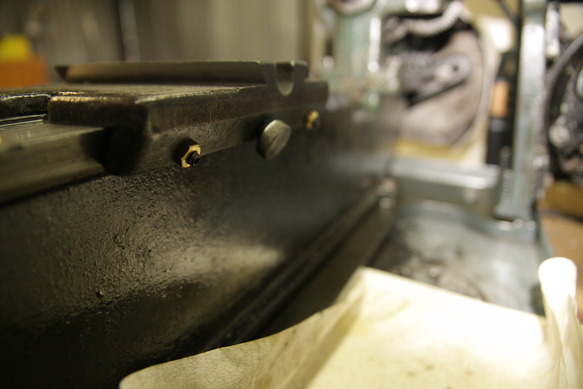
<p>My first addition to the lathe was a QCTP (Quick-Change Tool-Post). The previous 4-way tool-post didn&#8217;t allow me to place the tools low enough to find centre line, which I found very strange perhaps grandpa just whacked on any tool-post he could find when he gave the lathe to me. With the QCTP I can adjust the height below the level the old tool post would allow and can raise the level of the tool without using shims!!. I had thought about machining a few millimeters of the top of the compound slide to get a better height adjustment range, however I don&#8217;t have a milling machine (yet!).</p>
<p>I wanted to replace all the gib screws as some were broken and others replaced with odd screws also the apron kept working its way loose, everything is a bit worn and my cuts are not so smooth so I thought new screws might help a bit. I had a friend at work help me determine the threads used on the lathe, using a thread gauge and chart we determined the grub screws were 3/16&#8243; BSW and the countersunk screws holding up the apron were 1/4&#8243; BSW, we verified this using a 3/16&#8243; BSW tap and a 1/4&#8243; BSW tap. I have ordered new grub screws and locking nuts for the gib screws and some new screws for holding the apron from <a href="http://www.bolt.com.au/" target="_blank">www.bolt.com.au</a>. Ideally I would like to drill out the threads and re-tap them at a slightly larger diameter metric thread,  but this mod will have to wait for now as I have many other projects on the go.</p>
<p>I am also in the process of converting the lathe to variable speed. I have purchased a Reliance Electric single phase to 3-phase Variable Speed Drive (VSD), I now need to replace the single phase motor with a suitable 3-Phase motor then hook up the VSD.</p>
<p>I am also adding a digitial read-out (DRO) to the lathe, I have purchased digital-caliper-type linear scales which I plan to interface to my own DRO unit, all the parts have been ordered and I am currently awaiting the package to arrive. I have already designed and fabricated the PCB&#8217;s for the DRO but have not built them up yet. I will post some updates once I start working on adding this in, I need to investigate the best way to mount the scales securely without drilling too many holes in the lathe and with some form of swarf and cutting oil protection.</p>
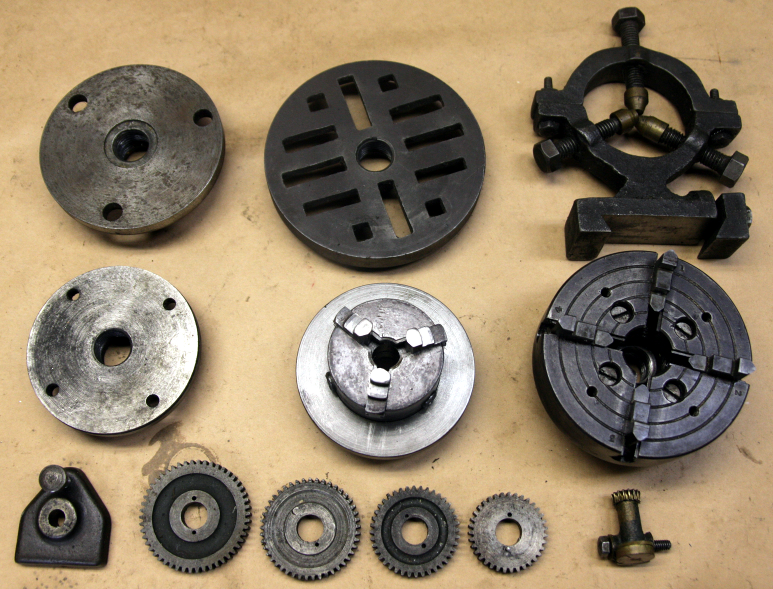
<p>The accessories I have; 3-jaw chuck, 4-jaw chuck, face plate, steady rest, change gears, original tool holder and two spare back-plates. They could all do with a clean-up, the steady rest looks like a pretty rough job, at some stage I would like to make a new one from scratch.</p>
<p><a href="/assets/images/posts/advance-lathe/advance_lathe_accessories.png" title="advance_lathe_accessories.png"><img src="/assets/images/posts/advance-lathe/advance_lathe_accessories.thumbnail.png" alt="advance_lathe_accessories.png" border="0" hspace="2" vspace="2" /></a></p>
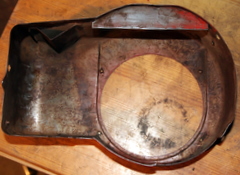
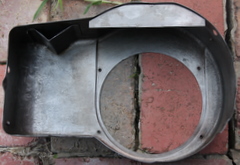
<p>If there is anyone else out there who is the owner of an Advance send me a message, perhaps we can share some tips or mod&#8217;s.</p>]]></content><author><name>Kane Partridge</name></author><category term="advance-lathe" /><category term="engineering" /><category term="mechanical" /><summary type="html"><![CDATA[Winter has passed and I am now venturing out into the workshop again. In my workshop I have an old Alfred Stewart Advance lathe serial number AW609 which was handed down to me from my grandfather around ten to fifteen years ago when he got his hands on a Myford Super 7. I had not had much use of it over the years as the last few places I have lived in I had no workshop so I had the lathe in storage. When I moved into my current place I decided to get it set up again so I could start machining a few projects. I started doing a bit of research into the lathe as I had not known much about it. I stumbled across some great on-line resources for this lathe, it turns out the Advance was made in Melbourne Australia which I found interesting and it seems the design is loosely based around early Myford lathes, more info available at www.lathes.co.uk and Tooljunkie both excelent sites with a wealth of information. It is a nice old lathe but has seen better days, I am now in the process of making repairs and improvements to the lathe. My first addition to the lathe was a QCTP (Quick-Change Tool-Post). The previous 4-way tool-post didn&#8217;t allow me to place the tools low enough to find centre line, which I found very strange perhaps grandpa just whacked on any tool-post he could find when he gave the lathe to me. With the QCTP I can adjust the height below the level the old tool post would allow and can raise the level of the tool without using shims!!. I had thought about machining a few millimeters of the top of the compound slide to get a better height adjustment range, however I don&#8217;t have a milling machine (yet!). I wanted to replace all the gib screws as some were broken and others replaced with odd screws also the apron kept working its way loose, everything is a bit worn and my cuts are not so smooth so I thought new screws might help a bit. I had a friend at work help me determine the threads used on the lathe, using a thread gauge and chart we determined the grub screws were 3/16&#8243; BSW and the countersunk screws holding up the apron were 1/4&#8243; BSW, we verified this using a 3/16&#8243; BSW tap and a 1/4&#8243; BSW tap. I have ordered new grub screws and locking nuts for the gib screws and some new screws for holding the apron from www.bolt.com.au. Ideally I would like to drill out the threads and re-tap them at a slightly larger diameter metric thread,  but this mod will have to wait for now as I have many other projects on the go. I am also in the process of converting the lathe to variable speed. I have purchased a Reliance Electric single phase to 3-phase Variable Speed Drive (VSD), I now need to replace the single phase motor with a suitable 3-Phase motor then hook up the VSD. I am also adding a digitial read-out (DRO) to the lathe, I have purchased digital-caliper-type linear scales which I plan to interface to my own DRO unit, all the parts have been ordered and I am currently awaiting the package to arrive. I have already designed and fabricated the PCB&#8217;s for the DRO but have not built them up yet. I will post some updates once I start working on adding this in, I need to investigate the best way to mount the scales securely without drilling too many holes in the lathe and with some form of swarf and cutting oil protection. The accessories I have; 3-jaw chuck, 4-jaw chuck, face plate, steady rest, change gears, original tool holder and two spare back-plates. They could all do with a clean-up, the steady rest looks like a pretty rough job, at some stage I would like to make a new one from scratch. If there is anyone else out there who is the owner of an Advance send me a message, perhaps we can share some tips or mod&#8217;s.]]></summary></entry><entry><title type="html">Briggs &amp;amp; Stratton Engine Rebuild – Part 4: Rust Removal</title><link href="https://blog.kanotech.org/briggs-stratton-rebuild/engines/mechanical/2010/04/11/briggs-stratton-engine-rebuild-part-4-rust-removal.html" rel="alternate" type="text/html" title="Briggs &amp;amp; Stratton Engine Rebuild – Part 4: Rust Removal" /><published>2010-04-11T09:23:53+00:00</published><updated>2010-04-11T09:23:53+00:00</updated><id>https://blog.kanotech.org/briggs-stratton-rebuild/engines/mechanical/2010/04/11/briggs-stratton-engine-rebuild-part-4-rust-removal</id><content type="html" xml:base="https://blog.kanotech.org/briggs-stratton-rebuild/engines/mechanical/2010/04/11/briggs-stratton-engine-rebuild-part-4-rust-removal.html"><![CDATA[<p><a href="/assets/images/posts/briggs-stratton-engine-rebuild-part-4-rust-removal/img_7468.JPG" title="Briggs &amp; Stratton Cover - Rusted"><img src="/assets/images/posts/briggs-stratton-engine-rebuild-part-4-rust-removal/img_7468.thumbnail.JPG" alt="Briggs &amp; Stratton Cover - Rusted" /></a><a href="/assets/images/posts/briggs-stratton-engine-rebuild-part-4-rust-removal/img_7476.JPG" title="Briggs &amp; Stratton Cover - Rust Removed"><img src="/assets/images/posts/briggs-stratton-engine-rebuild-part-4-rust-removal/img_7476.thumbnail.JPG" alt="Briggs &amp; Stratton Cover - Rust Removed" /></a></p>
<p>Preparing the metal cover has been quite a bit of work, I had already prepared the top side of the cover by removing the paint, rust and dents using elbow grease, however I decided that I should also remove the rust from the underside of the cover too before I respray &#8211; If a job&#8217;s worth doing, it&#8217;s worth doing well!</p>
<p>Recently I have been looking into ways to restore old rusted tools and I have been very intrigued in the method of using electrolysis to remove rust. During the past week I had been doing a bit of research online on the subject and I tested it on an old rusted ring spanner which cleaned up quite well. I decided it was a good way to remove rust off parts of the mower without much effort (don&#8217;t work harder, work smarter) and the result above speaks for itself! I wont go into the specifics of the rust removal in this post, I&#8217;ll dedicate another post to it shortly as I didn&#8217;t take enough pictures of my set-up, however in the meantime if you are interested <a href="http://myweb.tiscali.co.uk/andyspatch/rust.htm" title="Electrolysis Rust Removal">this site has great information on rust removal by electrolysis</a>, there are also many tutorials on youtube.</p>]]></content><author><name>Kane Partridge</name></author><category term="briggs-stratton-rebuild" /><category term="engines" /><category term="mechanical" /><summary type="html"><![CDATA[Preparing the metal cover has been quite a bit of work, I had already prepared the top side of the cover by removing the paint, rust and dents using elbow grease, however I decided that I should also remove the rust from the underside of the cover too before I respray &#8211; If a job&#8217;s worth doing, it&#8217;s worth doing well! Recently I have been looking into ways to restore old rusted tools and I have been very intrigued in the method of using electrolysis to remove rust. During the past week I had been doing a bit of research online on the subject and I tested it on an old rusted ring spanner which cleaned up quite well. I decided it was a good way to remove rust off parts of the mower without much effort (don&#8217;t work harder, work smarter) and the result above speaks for itself! I wont go into the specifics of the rust removal in this post, I&#8217;ll dedicate another post to it shortly as I didn&#8217;t take enough pictures of my set-up, however in the meantime if you are interested this site has great information on rust removal by electrolysis, there are also many tutorials on youtube.]]></summary></entry></feed>